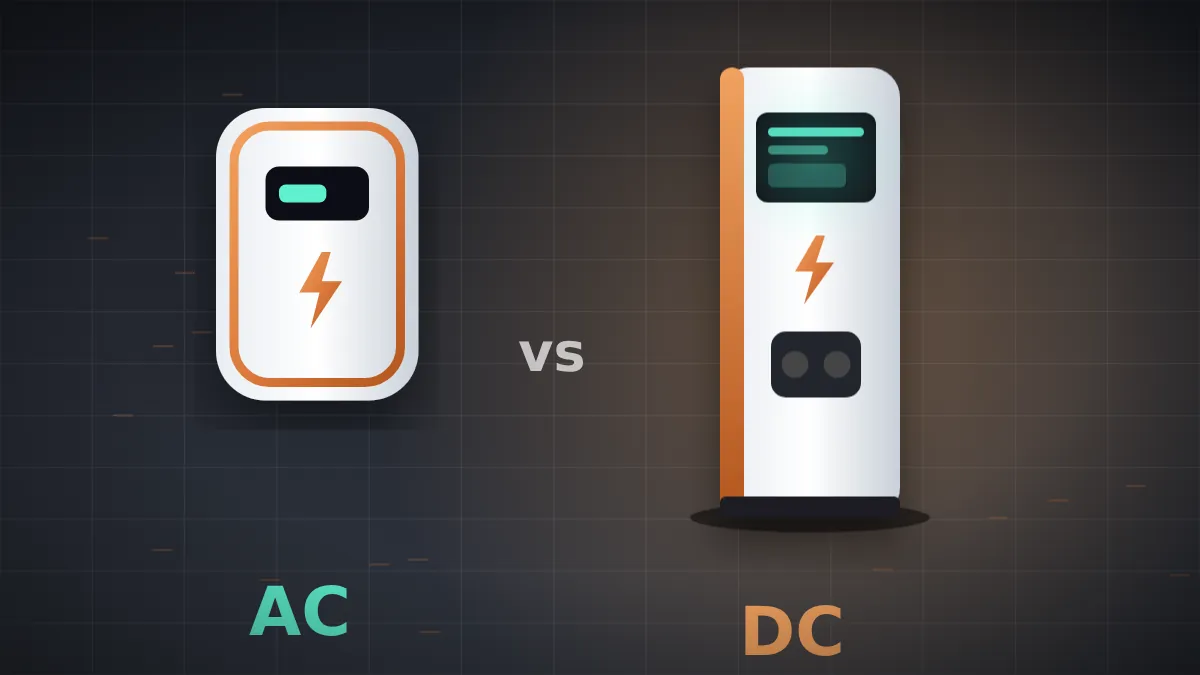
AC chargers are cheap and gentle, DC chargers are fast. Here is a simple guide to choosing the right one for every trip.
Every EV battery stores DC power. The difference between AC and DC charging is where the conversion from grid AC to battery DC happens.
AC charging (3.3 – 22 kW)
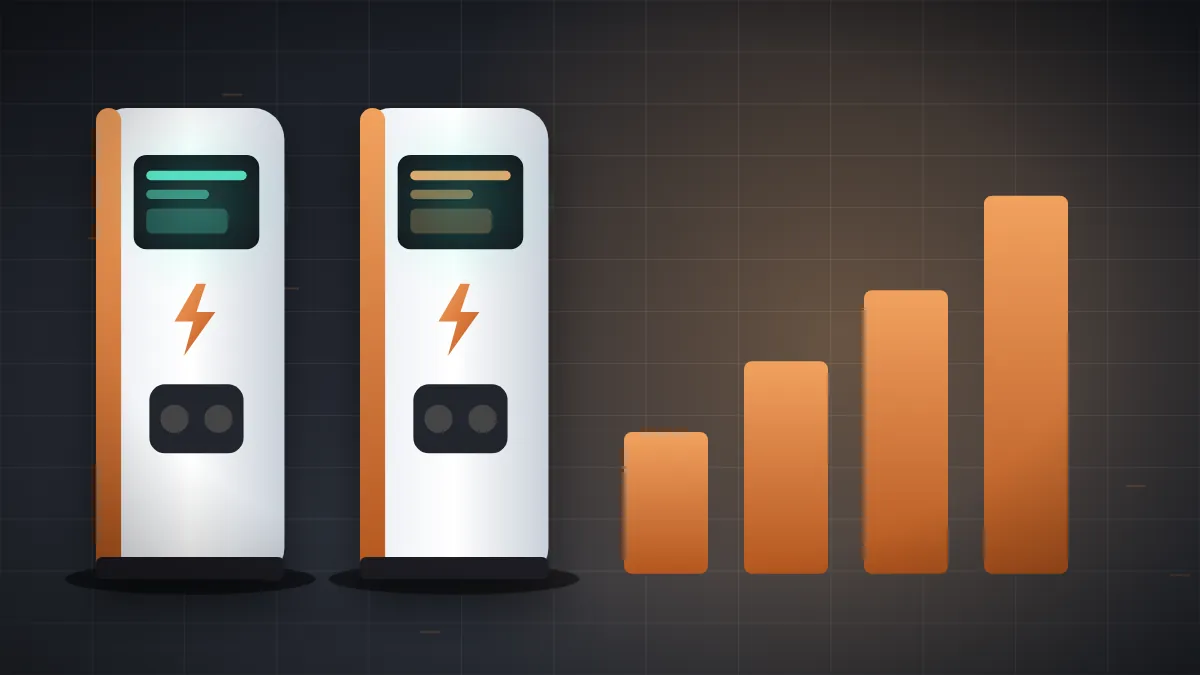
With AC charging, the converter is inside your car (the on-board charger). Because that converter is small, power is limited — usually 3.3 kW to 11 kW for most Indian cars. AC is ideal at home, at the office or anywhere you park for several hours.
- Lowest cost per kWh
- Gentle on the battery
- Best for overnight and workplace charging
DC fast charging (30 – 240 kW)
With DC charging, a large converter sits inside the charger itself and feeds DC directly to the battery. That is why a 60 kW or 120 kW Power Kothi charger can take most cars from 10% to 80% in 30–45 minutes.
- Perfect for highways and quick top-ups
- Charging slows down after ~80% to protect the battery
- Slightly higher price per kWh
Our simple rule
Use AC daily and DC when you are in a hurry or on a road trip. Keeping your daily charge between 20% and 80% gives the best battery life.